Introduction
A teapot is a vessel used for steeping and serving tea. It is an essential tool for any tea lover, providing a convenient and elegant way to enjoy a hot cup of tea. In this article, we will explore the history of the teapot, its benefits, and how to choose the right one for you.
What is a teapot?
A teapot is a container with a spout, lid, handle, and body designed for brewing and serving tea. It typically has a built-in strainer or infuser basket to separate the leaves from the water.
History of the Teapot
The first teapots were made in China during the Tang Dynasty (618-907 AD). They were small and made of clay or porcelain, with no handles or spouts. Teapots evolved over time, becoming larger and more ornate during the Ming Dynasty (1368-1644 AD). The design eventually spread to Europe in the 17th century.
Benefits of Using a Teapot
Using a teapot allows for better control over steeping time and temperature, resulting in a more flavorful cup of tea. It also provides an elegant way to serve tea to guests or enjoy it yourself.
Choosing the Right Teapot for You
When choosing a teapot, consider factors such as size, material, style, and functionality. A smaller pot may be suitable for personal use while larger pots are ideal for entertaining guests. Materials such as ceramic or glass are good choices for heat retention while cast iron provides durability.
The Anatomy of a Teapot
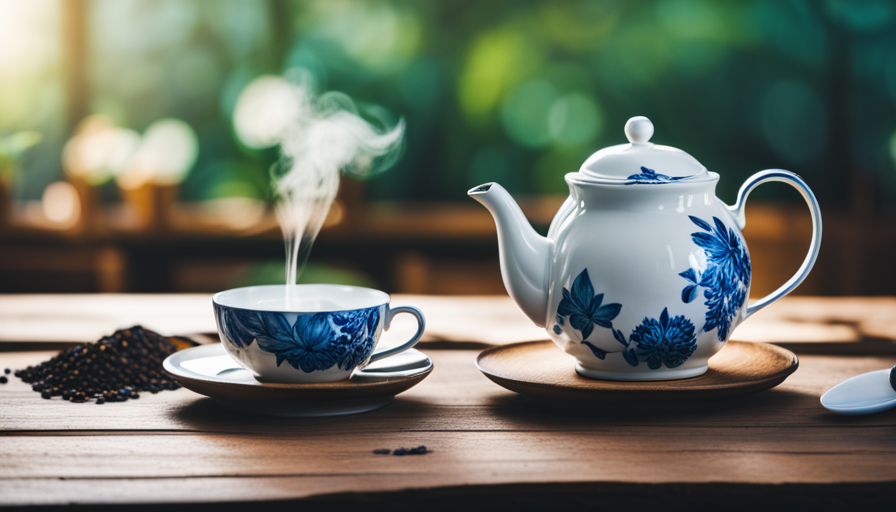
A teapot is a vessel used for steeping and serving tea. It consists of several parts that work together to create the perfect cup of tea.
Spout
The spout is the part of the teapot that allows you to pour your tea into your cup without spilling it. It is usually located at the bottom of the teapot's body and has a narrow opening that controls the flow of liquid.
Lid
The lid covers the top opening of the teapot and keeps heat inside while brewing. It also prevents dust or debris from entering your teapot when not in use.
Handle
The handle is designed to make it easy for you to hold and pour your tea without burning your fingers. It is usually located opposite the spout and attached to both sides of the body for balance.
Body
The body is where you put your tea leaves and water for brewing. It can be made from various materials, including ceramic, glass, cast iron, or stainless steel.
Teapots come in different shapes and sizes, but all have these essential parts that make them functional for brewing delicious tea.
Types of Teapots
Teapots come in a variety of materials, each with their own unique benefits. Ceramic teapots are the most common and are often decorated with intricate designs. They are great for retaining heat and creating a cozy atmosphere while enjoying your tea. Glass teapots are perfect for those who want to watch their tea leaves unfurl and enjoy the visual aspect of brewing tea. Cast iron teapots are durable and retain heat exceptionally well, making them ideal for brewing teas that require high temperatures. Stainless steel teapots are sleek and modern, perfect for those who prioritize functionality over aesthetics.
Ceramic
Ceramic teapots have been around since ancient times and remain popular today due to their versatility and aesthetic appeal. They come in a variety of shapes, sizes, and designs, making them suitable for any occasion or preference. Ceramic is also an excellent material for retaining heat, ensuring that your tea stays warm throughout your entire experience.
Glass
Glass teapots offer a unique visual experience when brewing tea as you can watch the leaves unfurl and see the color of the tea change as it steeps. They are also easy to clean and do not retain flavors from previous brews like other materials might.
Cast Iron
Cast iron teapots have been used in Japan since the 17th century and have become increasingly popular worldwide due to their durability and ability to retain heat well. They often come with intricate designs on the exterior, making them both functional and decorative.
Stainless Steel
Stainless steel teapots are sleek, modern, and durable - perfect for those who value functionality over aesthetics or prefer a more contemporary look in their kitchen or dining room setting. They do not absorb flavors or odors from previous brews like other materials might.
Brewing the Perfect Cup of Tea
Brewing the perfect cup of tea requires more than just a teapot and hot water. Here are some tips to help you get the most out of your tea leaves:
Choosing the right tea leaves
The quality of your tea leaves will greatly affect the taste of your tea. Look for loose leaf teas that are fresh and aromatic, with vibrant colors and no signs of staleness or bitterness. Some popular options include black tea, green tea, oolong tea, and herbal teas.
Water temperature and steeping time
Different types of teas require different water temperatures and steeping times to bring out their unique flavors. For example, black teas should be brewed with boiling water for 3-5 minutes, while green teas should be brewed with water that is around 175°F for 1-3 minutes. Always refer to the instructions on your tea packaging for specific recommendations.
Using a tea strainer
To prevent loose leaves from getting into your teacup, use a fine mesh strainer when pouring your brewed tea into a cup or mug. This will also help to ensure a smooth and consistent flavor throughout each cup.
Proper storage of tea leaves
To keep your loose leaf teas fresh for longer periods of time, store them in an airtight container away from light, heat, and moisture. Avoid storing them in the refrigerator or freezer as this can cause condensation to form on the leaves.
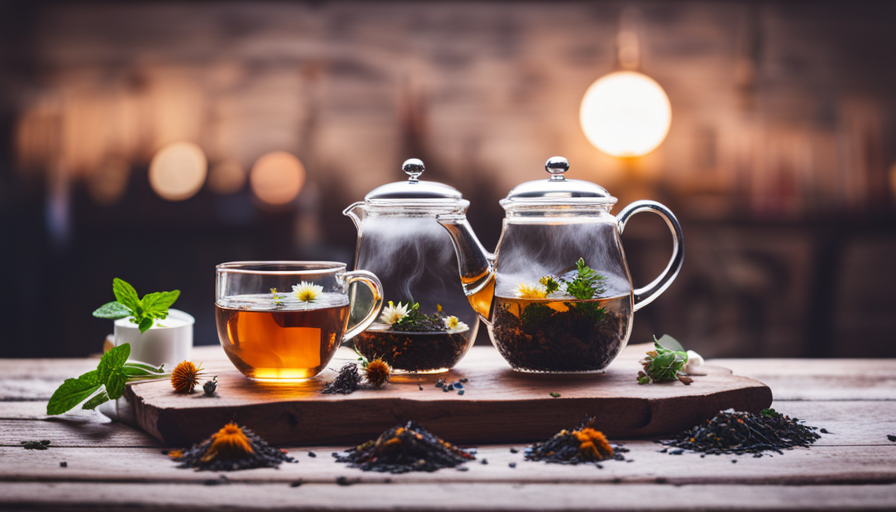
These tips will help you brew the perfect cup of tea every time. Remember to choose high-quality tea leaves, pay attention to water temperature and steeping time, use a strainer, and store your tea properly. With the right teapot and brewing techniques, you can enjoy a delicious cup of tea that is both comforting and invigorating.
Caring for Your Teapot
A teapot is not just a functional kitchen item, but also a decorative piece that can enhance the ambiance of any room. To maintain its beauty and functionality, proper care is essential. Here are some tips on how to care for your teapot.
Cleaning and maintenance
Regular cleaning is crucial to keep your teapot in good condition. After each use, rinse it with warm water and mild soap, then dry it thoroughly with a soft cloth. Avoid using abrasive cleaners or scrubbers that can scratch the surface.
For stubborn stains or buildup, you can use a mixture of baking soda and water to gently scrub the affected area. Rinse thoroughly afterward to avoid leaving any residue.
Avoiding cracks and chips
Teapots are often made of delicate materials such as ceramic or glass, which can easily crack or chip if mishandled. To avoid damage, handle your teapot with care and avoid exposing it to extreme temperatures.
If you need to move your teapot while it's still hot, use oven mitts or a tea towel to protect your hands from burns.
Storing your teapot safely
When not in use, store your teapot in a safe place where it won't get knocked over or damaged by other items in your kitchen cabinet.
If you have multiple teapots, consider using protective covers or padding to prevent them from scratching each other.
Troubleshooting common teapot issues
If you notice any cracks or chips on your teapot, stop using it immediately as this can lead to leaks or breakage during use.
To fix minor cracks or chips, you can try using epoxy glue specifically designed for ceramics or glassware. Follow the instructions carefully and allow sufficient drying time before using the pot again.
In conclusion, caring for your teapot is essential to ensure its longevity and functionality. By following these tips, you can enjoy your favorite tea in a beautiful and well-maintained teapot for years to come.
Teapot Accessories
No tea time is complete without the right accessories to enhance the experience. Here are some must-haves for any teapot enthusiast.
Tea cozy
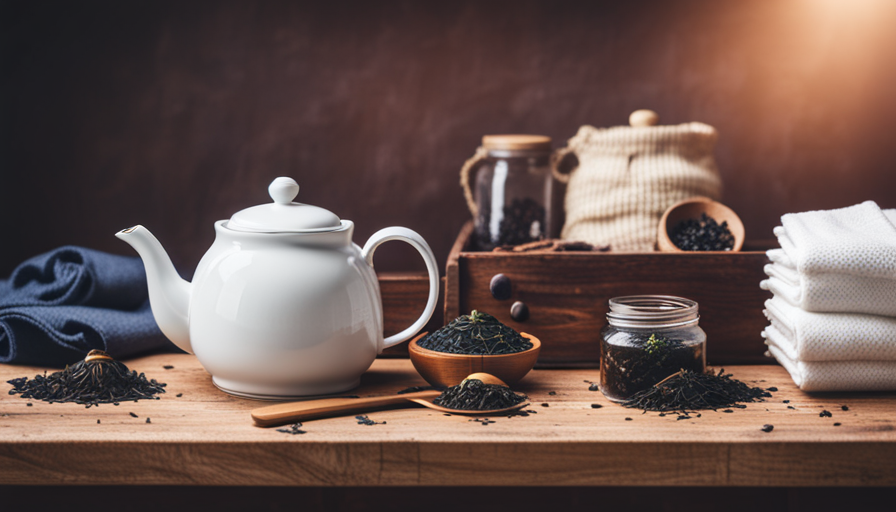
Keep your tea piping hot with a cozy designed to fit snugly over your teapot. Made from a variety of materials, including wool and neoprene, these covers come in a range of colors and patterns to suit any style.
Infuser basket
For loose leaf tea lovers, an infuser basket is essential. These small mesh baskets fit inside your teapot and allow you to steep your favorite leaves without worrying about them floating around in your cup.
Tea towels
Spills happen, but with a dedicated set of tea towels, you can clean up messes in style. Choose from a range of designs and fabrics, including cotton and linen.
Tea caddies
Proper storage of your tea leaves is key to maintaining their flavor and aroma over time. Airtight tea caddies come in many shapes and sizes, from traditional tins to modern glass jars with cork lids.
Conclusion
A good teapot is an essential part of any tea lover's collection. It not only enhances the taste and aroma of the tea but also adds a touch of elegance to your tea time. Whether you prefer ceramic, glass, cast iron or stainless steel, choosing the right teapot for you can make all the difference in your tea experience.
When selecting a teapot, consider factors such as size, shape, material and design. Think about how many cups of tea you typically brew at once and whether you want a traditional or modern look. Don't be afraid to invest in a high-quality teapot that will last for years to come.
Brewing the perfect cup of tea requires attention to detail. Start with high-quality loose leaf tea and use water that is heated to the appropriate temperature for the type of tea you are brewing. Steep for the recommended amount of time and use a strainer to remove any leaves or debris before pouring into your teapot.
Caring for your teapot is important to ensure its longevity. Regular cleaning and maintenance can prevent cracks and chips from forming, while proper storage can protect it from damage when not in use. If issues do arise, there are troubleshooting techniques that can help.
Teapot accessories such as a cozy to keep your tea warm or an infuser basket for loose leaf teas can enhance your overall experience. Tea towels and caddies can also add a decorative touch to your collection.
In conclusion, investing in a good teapot is worth it for any serious tea lover. With careful consideration when selecting one, attention to detail when brewing, proper care and maintenance, and some fun accessories, you'll be on your way to enjoying the perfect cup of tea every time.